
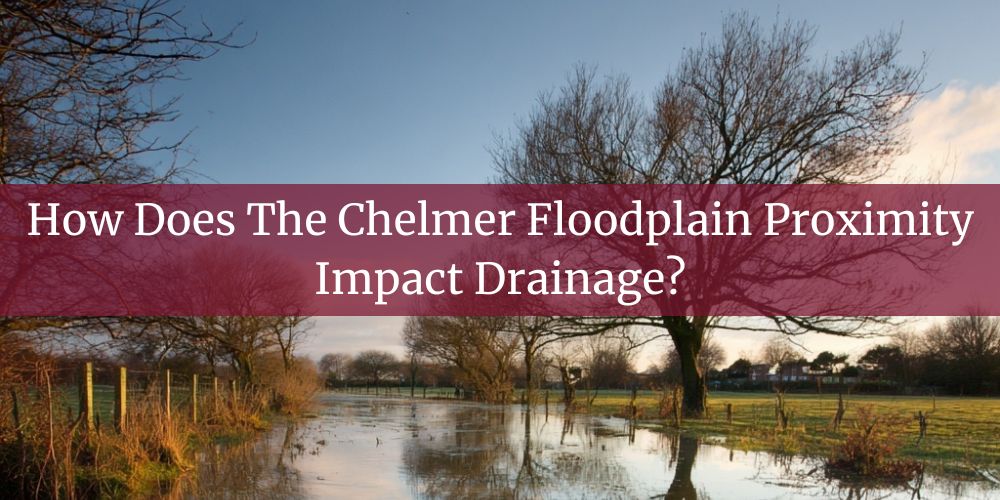
The proximity of the Chelmer Floodplain in Chelmsford, Essex greatly influences drainage planning and the use of soakaways, as flood risk management standards necessitate stringent design considerations to mitigate potential waterlogging and site instability. Effective drainage systems in Chelmsford must account for the floodplain's impact on water flow and soil saturation, requiring innovative solutions like advanced soakaways to ensure optimal water dispersal and land use. Urban planners and commercial property managers need to be particularly vigilant about these factors to prevent drainage failures and property damage during heavy rain events.
For homeowners in Chelmsford, understanding how close you are to the River Chelmer floodplain is crucial because it affects which drainage solutions will work, especially soakaways and permeable paving.
In this guide we explain how groundwater levels, clay subgrades and flood-zone designations influence driveway and patio design, and we suggest practical SUDS options such as permeable sub-bases, channel drains, attenuation crates and rain gardens. We also outline when to seek planning or building control advice and how to maintain your drainage so you minimise standing water and reduce the risk of flood damage.
How Does the Chelmer Floodplain Proximity Affect Drainage Planning for Driveways and Patios?
The proximity to the Chelmer floodplain necessitates meticulous drainage planning to prevent water logging and structural damage. Effective drainage systems are crucial to mitigate the risks of flooding, especially during high rainfall events, which are common in floodplain areas. Incorporating appropriate materials and designing for rapid water dispersal can safeguard driveways and patios from potential flooding impacts.
Consider these five critical aspects when planning drainage for driveways and patios near the Chelmer floodplain:
- Flood Risk Assessment: Conduct thorough analysis to evaluate potential flood impacts.
- Permeable Paving Systems: Use materials that allow water infiltration to minimise surface runoff.
- Elevated Construction: Build elevated driveways and patios to prevent water accumulation.
- Integrated Drainage Channels: Design channels to direct excess water away effectively.
- Regular Maintenance: Ensure systems are clear to prevent debris blockage.
1. Flood Risk Assessment: Conduct thorough analysis to evaluate potential flood impacts.
Flood risk assessment involves analysing an area's vulnerability to flooding and potential water-related impacts. For properties near the Chelmer floodplain, understanding flood risks is vital to effective drainage planning. Accurate assessments help inform appropriate design decisions, minimising water drainage issues for driveways and patios. Considering the area's susceptibility to flooding, assessments guide the selection of construction materials and drainage layouts. This step forms the foundation of a resilient drainage system that accounts for local environmental challenges.
2. Permeable Paving Systems: Use materials that allow water infiltration to minimise surface runoff.
Permeable paving refers to the use of surfaces that allow water to percolate through, reducing runoff. In flood-prone areas like the Chelmer floodplain, such materials help prevent water pooling on driveways and patios. This approach not only aids in natural water absorption but also supports local groundwater recharge. Choosing permeable materials is critical for enhancing drainage efficiency and reducing flood risks. It promotes sustainable water management practices, aligning with environmental conservation efforts while protecting property structures.
3. Elevated Construction: Build elevated driveways and patios to prevent water accumulation.
Elevated construction involves raising the level of driveways and patios to prevent water from accumulating on their surfaces. In proximity to the Chelmer floodplain, this method is crucial for mitigating flooding impacts. Elevated structures can direct water away efficiently, safeguarding against potential damage. This solution ensures that rainwater is channeled away, reducing the likelihood of standing water and enhancing drainage capabilities. Additionally, it protects the structural integrity of paved areas, considerably decreasing maintenance needs over time.
4. Integrated Drainage Channels: Design channels to direct excess water away effectively.
Integrated drainage channels are strategically placed pathways for directing water away from structures. Near the Chelmer floodplain, they play a vital role in a comprehensive drainage strategy. These channels effectively manage water flow, particularly during heavy rains, by facilitating quick dispersal. Designing pertinent channels helps distribute water flow evenly and prevents saturation in vulnerable areas. This mitigates flooding risks and supports the long-term durability of outdoor surfaces, enhancing property safety.
5. Regular Maintenance: Ensure systems are clear to prevent debris blockage.
Regular maintenance involves routine checks and cleaning to keep drainage systems operational. In floodplain areas like Chelmer, regular maintenance is necessary to prevent debris buildup in drainage systems. Unobstructed drainage helps in maintaining effective water management and avoiding potential clogs. Consistent upkeep ensures that the drainage infrastructure functions optimally, particularly after storm events. This proactive approach supports the reliability of drainage systems, enabling them to function efficiently year-round.
Have a question about an upcoming project?
What Are the Best Practices for Implementing Soakaways in Flood-Prone Areas?
The best practices for implementing soakaways in flood-prone areas involve assessing soil permeability, using geotextile membranes, ensuring adequate capacity, and regular maintenance. Implementing soakaways effectively in flood-prone areas is crucial to mitigate waterlogging and manage excess rainfall. Here are some essential practices to guide the design and installation of soakaways in these conditions:
- Soil Assessment: Examine soil permeability and drainage capabilities accurately.
- Geotextile Membrane: Utilise to prevent silt clogging and ensure water infiltration.
- Capacity Estimation: Design soakaway to handle peak stormwater volumes effectively.
- Regular Maintenance: Frequently inspect and clean to sustain performance.
- Location Strategy: Position away from buildings and tree roots to prevent structural damage.
1. Soil Assessment: Examine soil permeability and drainage capabilities accurately.
Soil assessment involves evaluating the ability of soil to absorb and drain water effectively. In flood-prone areas, accurately assessing soil permeability is crucial to determine if a soakaway can function properly. An effective assessment helps identify potential issues with water infiltration and drainage. Properties of the site's soil, such as its texture and composition, directly affect how well a soakaway will perform. Conducting percolation tests and consulting with soil experts can provide valuable insights for successful soakaway design and installation.
2. Geotextile Membrane: Utilise to prevent silt clogging and ensure water infiltration.
A geotextile membrane is a fabric used to separate the soakaway aggregates from the soil. Using a geotextile membrane in soakaways is essential to prevent silt and debris from clogging the drainage system. It facilitates the continued infiltration of water into the surrounding soil. By allowing water to pass while blocking soil particles, the membrane helps maintain the efficiency and longevity of the soakaway. Proper installation of this membrane is key to avoiding costly repairs and ensuring the soakaway remains functional during intense rainfall events.
3. Capacity Estimation: Design soakaway to handle peak stormwater volumes effectively.
Capacity estimation involves calculating the volume of stormwater the soakaway needs to manage. Accurately estimating the soakaway's capacity is critical in flood-prone regions to prevent overflow during peak storm conditions. It ensures that the structure can accommodate the maximum expected rainfall without failing. This involves understanding the area's rainfall patterns and planning for extreme weather conditions. The design should account for future climate changes and increased precipitation, using calculations aligned with local guidelines and engineering standards.
4. Regular Maintenance: Frequently inspect and clean to sustain performance.
Regular maintenance includes scheduled inspections and cleaning to preserve the soakaway's efficiency. Frequent maintenance is vital in flood-prone areas to prevent blockages and maintain the soakaway's functionality. Ensuring the system remains clear of debris and silt extends its operational lifespan. Maintenance activities should include checking for signs of water pooling, inspecting the geotextile membrane, and removing accumulated silt and debris. Establishing a routine inspection schedule helps detect potential problems early, minimising repair costs and optimising performance.
5. Location Strategy: Position away from buildings and tree roots to prevent structural damage.
A location strategy involves positioning the soakaway to minimise risks to nearby structures. Choosing an appropriate location for soakaways in flood-prone areas is essential to avoid structural damage to buildings and interference from tree roots. Ensuring strategic placement can prevent costly damage and system failure. The soakaway should be located at a safe distance from foundations and large trees to reduce risks of waterlogging to structures and root intrusion. Consulting local regulations and using maps of subterranean features can guide optimal placement decisions.
How Can Homeowners Adapt Their Driveway and Patio Designs for Better Water Management?
Homeowners can manage water more effectively by implementing permeable surfaces and strategic landscaping in their driveway and patio designs. By focusing on water management, you reduce runoff, limit flooding, and protect the local water table. Implementing these designs not only helps the environment but can also enhance the property's overall aesthetics and value. The following suggestions can help improve water management in driveway and patio designs:
- Permeable Pavements: Allow rainwater absorption, reducing runoff and flooding risks.
- Rain Gardens: Capture and filter rainwater naturally within landscaping.
- Proper Grading: Ensures water flows away from structures without pooling.
- Drainage Channels: Direct excess water efficiently away from critical areas.
- Sustainable Plant Selection: Native plants tolerate local climate and improve water absorption.
1. Permeable Pavements: Allow rainwater absorption, reducing runoff and flooding risks.
Permeable pavements are designed to allow rainwater to pass through the surface, reaching the soil below. These pavements help mitigate flooding risk by reducing surface runoff, which is crucial in residential areas. Options for permeable paving include porous concrete, pervious asphalt, and interlocking pavers with gaps to facilitate water penetration. Utilising permeable pavements leads to less strain on stormwater systems and can enhance the aesthetic of walkways with unique designs.
2. Rain Gardens: Capture and filter rainwater naturally within landscaping.
Rain gardens are shallow, planted areas designed to absorb rainwater and filter it through plant roots and soil. They provide an eco-friendly solution to manage excess water from impervious surfaces like driveways and patios. Incorporating rain gardens not only aids in water absorption but also attracts pollinators, enhances biodiversity, and beautifies landscapes. By positioning these strategically, homeowners can direct water away from structures and reduce the risk of erosion.
3. Proper Grading: Ensures water flows away from structures without pooling.
Proper grading involves shaping the land to direct water away from buildings towards suitable drainage areas. This practice prevents water from collecting at the foundation, which can cause damage over time. Proper grading is essential in all landscaping and structural design, as it optimises water flow and minimises erosion risks. It offers a foundational step in protecting a property's integrity by effectively managing surface water.
4. Drainage Channels: Direct excess water efficiently away from critical areas.
Drainage channels are built to control and direct water flow through a property systematically. They are crucial in preventing water pooling, which can lead to landscaping erosion or property damage. Using materials like stone or metal grates, these channels help maintain the integrity of driveways and patios by efficiently managing significant rainfall. Proper installation ensures minimal maintenance while maximising performance.
5. Sustainable Plant Selection: Native plants tolerate local climate and improve water absorption.
Sustainable plant selection focuses on choosing native plants that require minimal water and maintenance. These plants thrive in local conditions, reducing the need for irrigation and promoting water absorption. Integrating native and drought-tolerant species in landscapes not only supports the environment but also reduces landscaping costs and upkeep effort. This practice connects homeowners to regional ecosystems, creating sustainable and resilient outdoor spaces.
Understanding the unique drainage challenges posed by the Chelmer floodplain is essential for effective planning and construction in Chelmsford, Essex, especially when it comes to designing driveways and patios. Proper drainage systems and soakaways can significantly mitigate flood risks, ensuring that these outdoor surfaces remain functional and durable. By integrating intelligent drainage solutions, homeowners in Chelmsford can enjoy beautifully designed driveways and patios that withstand the challenges of the local floodplain environment. This approach not only enhances the aesthetics and functionality of outdoor spaces but also contributes to the longevity of structures in this picturesque region of Essex.
If you need further guidance on optimising the drainage for your driveways and patios or want expert advice tailored to Chelmsford's unique landscape, please don't hesitate to reach out via our contact form. Our knowledgeable team at Driveways Chelmsford are eager to assist you in creating durable and flood-resistant outdoor spaces.