
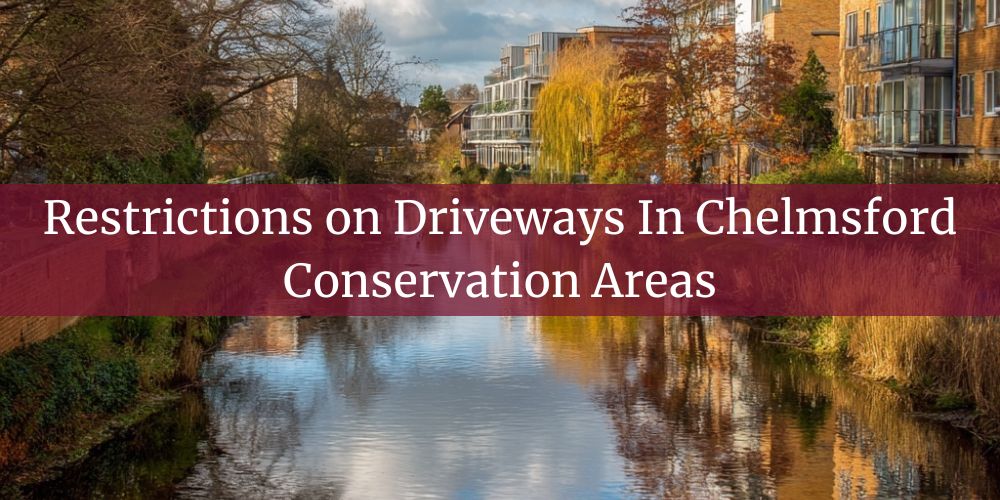
In Chelmsford, Essex, conservation areas impose restrictions on materials and finishes to preserve the historical and architectural character of neighborhoods, typically requiring use of traditional materials that match existing buildings. Property owners in these areas must comply with specific guidelines that dictate the kind of materials and finishes allowed for building exteriors, ensuring that any development respects the area's heritage. This often means using local brickwork, timber windows, and traditional roofing materials like slate or clay tiles, maintaining the area's visual continuity and historical integrity.
These material restrictions aim to prevent alterations that could compromise the historical significance and visual appeal of these protected areas, ensuring that new developments or renovations harmonize with the established aesthetic. Property owners looking to make changes must usually apply for specific permissions, working closely with local planning authorities to ensure compliance with conservation goals, which can shape the nature and scope of renovations, restorations, or new constructions.
For homeowners in Chelmsford living in or near conservation areas, it’s important to understand the local restrictions before planning a new driveway or patio. This guide explains which materials, colours and edging are typically acceptable, how to choose sympathetic finishes (e.g. traditional block paving or gravel), and when permeable construction is encouraged. We’ll also cover how to check for Article 4 Directions, when you need permission for changes such as a dropped kerb, and what documents to prepare. The aim is to help you meet the rules confidently while creating a scheme that suits your home and the character of the area.
What Materials Are Allowed for Driveways and Patios in Chelmsford's Conservation Areas?
In Chelmsford's conservation areas, materials for driveways and patios must align with local aesthetic and conservation standards. Commonly approved materials include natural stone, permeable concrete, and gravel, which maintain the area's historical and environmental integrity. It's essential to comply with guidelines to preserve the character and ecological balance of these protected zones. To help you understand the specifics, here's a detailed list of materials typically permitted in these areas:
- Natural Stone: Harmonises with Chelmsford’s historical aesthetics.
- Permeable Concrete: Supports environmental sustainability through water permeability.
- Gravel: Economical and effective for conservation purposes.
- Clay Pavers: Offers traditional appearance and durability.
- Recycled Materials: Eco-friendly choice for sustainable building practices.
1. Natural Stone: Harmonises with Chelmsford’s historical aesthetics.
Natural stone is a material that blends seamlessly with historic environments. Chelmsford prioritises maintaining the visual appeal and historical significance of its conservation areas. Natural stone provides a timeless, robust option that respects the traditional architecture prevalent in the region. Despite its often higher cost, the aesthetic and long-lasting qualities of natural stone make it a favorable choice for both planners and homeowners within conservation zones.
2. Permeable Concrete: Supports environmental sustainability through water permeability.
Permeable concrete allows water to pass through, reducing surface water runoff. This is crucial in safeguarding Chelmsford’s conservation areas from potential flooding and soil erosion. The material's ability to manage stormwater effectively helps maintain the natural water table levels. Moreover, using permeable concrete contributes to reducing heat island effects, which aligns with the area’s eco-friendly initiatives.
3. Gravel: Economical and effective for conservation purposes.
Gravel is a cost-effective, loose material available in various colours and sizes. It’s frequently used in conservation areas due to its affordability and ability to blend with natural surroundings. The permeable nature of gravel aids in water drainage and can be a delightful complement to native plants. This material allows for easy maintenance and adjustments, making gravel driveways a popular choice for owners looking for low mainternace and affordability.
4. Clay Pavers: Offers traditional appearance and durability.
Clay pavers are kiln-fired units that offer strength along with a traditional look. They are approved for their visual similarity to historic paving materials used in older structures. Their durability and non-fading colour make them a reliable choice for preserving Chelmsford's aesthetic. Clay pavers offer a versatile, sustainable option, tailored to replace or complement existing structures within the conservation areas.
5. Recycled Materials: Eco-friendly choice for sustainable building practices.
Recycled materials include repurposed bricks, crushed glass, or upcycled concrete. These options emphasise sustainable development and environmental conservation, aligning well with Chelmsford's eco-goals. The use of recycled materials can reduce waste and showcase innovative design. By opting for recycled alternatives, residents and planners support resource conservation without sacrificing performance or beauty.
Have a question about an upcoming project?
How Do Specific Finishes Impact the Aesthetic Integrity of Chelmsford's Conservation Areas?
Specific finishes greatly affect the aesthetic integrity by ensuring new developments blend with historical contexts. In Chelmsford's conservation areas, maintaining visual harmony is essential to preserving the traditional character of the neighborhoods. The choice of materials, colour schemes, and textures can either enhance or detract from these heritage sites. Here are five key ways specific finishes impact the aesthetic integrity of Chelmsford's conservation areas:
- Compatibility With Historic Materials: Ensures new elements harmonise with existing structures.
- Colour Palette Consistency: Keeps the visual appearance aligned with traditional aspects.
- Texture and Surface Details: Mimics historically accurate features and finishes.
- Sensitivity to Original Design: Respects the original architectural intentions.
- Use of Traditional Techniques: Maintains authenticity in appearance and construction.
1. Compatibility With Historic Materials: Ensures new elements harmonise with existing structures.
Compatibility with historic materials involves selecting finishes that match the existing architectural fabric in terms of material and appearance. In Chelmsford, this compatibility is crucial to maintaining the unified aesthetic of conservation areas. Failing to use compatible materials can lead to visual discord, disrupting the historic landscape. Modern materials should be carefully chosen to either authentically replicate or subtly complement original materials, ensuring any new build or renovation aligns with the historic context.
2. Colour Palette Consistency: Keeps the visual appearance aligned with traditional aspects.
Colour palette consistency focuses on maintaining a cohesive colour scheme that reflects the traditional hues found in historical settings. For Chelmsford's conservation areas, adhering to an established colour palette preserves the visual integrity and aesthetic appeal. Deviations can result in jarring contrasts that undermine historical value. Choosing colours that match or complement existing buildings helps maintain a consistent and pleasing overall aesthetic.
3. Texture and Surface Details: Mimics historically accurate features and finishes.
Texture and surface details refer to the physical characteristics and intricacies of a material's surface that should replicate historic textures. Textured finishes and detailed surfaces are vital in conservation areas to mimic traditional styles and craftsmanship found in existing structures. In Chelmsford, reproducing these historic textures enhances the authenticity of new constructions or repairs. Sophisticated techniques like stucco detailing or stone finishes can be employed to echo the historic architectural language.
4. Sensitivity to Original Design: Respects the original architectural intentions.
Sensitivity to original design involves understanding and respecting the architectural principles of existing historic structures. For Chelmsford, sensitivity ensures that any alterations or new constructions amplify rather than diminish the area's historical character. Ignoring these principles can lead to incongruent designs that distract from the heritage. Architects and builders must study and incorporate original design elements to maintain the intended architectural narrative.
5. Use of Traditional Techniques: Maintains authenticity in appearance and construction.
Traditional techniques refer to the methods and craftsmanship used historically to achieve particular finishes. In Chelmsford's conservation areas, employing traditional techniques retains the historical authenticity in both appearance and construction methods. Modern approaches might compromise the historical value if they're too apparent. Artisans skilled in historic methods ensure new work reflects traditional quality and character, thereby preserving the area's cultural heritage.
What Are the Steps to Get Approval for Driveway and Patio Changes in these Conservation Zones?
To make changes to driveways and patios in conservation zones, get local authority approval. Ensuring compliance with local regulations and preserving the area's historical and environmental characteristics are critical concerns. Here are the steps you need to follow to gain the necessary approval:
- Research Conservation Zone Regulations: Understand specific restrictions and guidelines in your area.
- Consult with Local Authorities: Reach out for guidance on the permitting process.
- Prepare a Detailed Proposal: Include designs, materials, and environmental considerations.
- Submit Application for Approval: Complete and submit all necessary forms to the local planning office.
- Attend Consultations or Hearings: Participate in necessary meetings to discuss the proposal.
1. Research Conservation Zone Regulations: Understand specific restrictions and guidelines in your area.
Researching conservation zone regulations is the first step to ensure your plans align with local requirements. This connection is crucial as it helps minimise potential conflicts with established guidelines, ensuring your project is viable. Understanding these regulations upfront will aid in preparing an application that meets expectations, potentially shortening the approval process.
2. Consult with Local Authorities: Reach out for guidance on the permitting process.
Consulting with local authorities provides clarity on the specific requirements and processes involved. This step connects to the need for approval, offering insight into what your proposal must address. Engagement with local officials is vital, as they can inform about regional priorities and offer advice on increasing your proposal’s chances of acceptance.
3. Prepare a Detailed Proposal: Include designs, materials, and environmental considerations.
Preparing a detailed proposal is essential to present a comprehensive plan that addresses all necessary criteria. By relating to the approval process, this ensures you address key conservation concerns, from aesthetics to sustainability. A thorough proposal, demonstrating attention to detail and adherence to guidelines, can convince authorities of your commitment to respecting the zone's integrity.
4. Submit Application for Approval: Complete and submit all necessary forms to the local planning office.
The submission of your application is a procedural step to officially request permission for your project. This step connects by formally engaging with the process, initiating an official review of your plans. Accurate and complete submissions reduce delays, showing you're committed to compliance, which can positively influence officials' views of your proposal.
5. Attend Consultations or Hearings: Participate in necessary meetings to discuss the proposal.
Consultations or hearings are opportunities to directly address any queries or concerns from the authorities. Attending these is connected to the application process by providing a platform to defend and refine your proposal as needed. Participation is beneficial, allowing you to demonstrate flexibility and willingness to collaborate, improving the perception of your project among decision-makers.
Understanding the restrictions on materials and finishes within Chelmsford Conservation Areas is vital for preserving the aesthetic and historic integrity of these cherished locales. When planning enhancements to your property, particularly in aspects like driveways and patios, being mindful of these guidelines can help maintain the area's unique character. Chelmsford, Essex, with its blend of historic charm and modern conveniences, offers a unique backdrop that deserves thoughtful consideration in every construction project. By choosing materials and finishes that align with conservation standards, homeowners can contribute to preserving and enhancing the visual appeal of their surroundings. Investing in well-designed and thoughtfully crafted driveways and patios not only beautifies your home but also harmonises with the community's historical narrative. Let us guide you in selecting the best options for your projects that respect Chelmsford's rich heritage while meeting your personal style preferences.
If you need expert advice on selecting the right materials for driveways and patios in Chelmsford, Essex, or require assistance navigating conservation area restrictions, please reach out to us through our contact form. Our knowledgeable team at Driveways Chelmsford is here to help you create inviting and compliant outdoor spaces that make the most of your property's potential.