
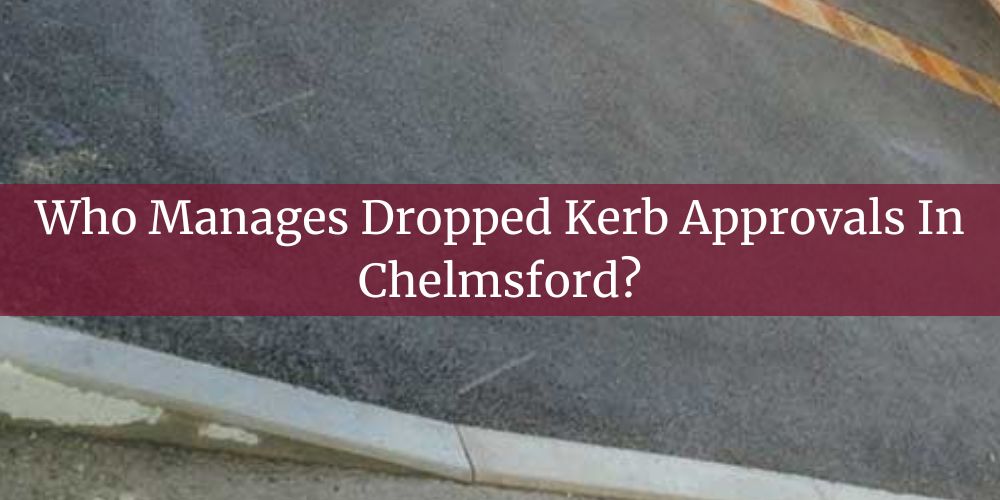
In Chelmsford, Essex, approvals for dropped curbs are managed by Essex County Council Highways, requiring residents to submit an application for review and compliance with local regulations. This process ensures that all installations align with road safety standards and local planning guidelines, protecting both vehicular and pedestrian access. Additionally, Essex County Council Highways often assesses the potential impact on traffic flow and nearby properties to maintain the integrity and functionality of the area's infrastructure. For Chelmsford property owners looking to add a dropped curb for easier access, understanding the approval process is essential to ensure timely and compliant installation. In this blog, we’ll delve into the specifics of the dropped curb application process, provide insights on common challenges, and offer guidance on navigating Essex County Council Highways’ requirements efficiently.
What Are Dropped Kerbs and Why Are They Important for Driveways and Patios?
Dropped kerbs are lowered sections of a curb that provide easier vehicle access to driveways. They are crucial for allowing seamless transitions between the street and private property, preventing damage to both vehicles and curbs. Installing a dropped kerb ensures compliance with local regulations and enhances accessibility for driveways and patios. Here are the main reasons why dropped kerbs are important:
- Smooth Vehicle Access: Allows cars to enter driveways without damaging tires or suspension.
- Legal Requirement: Must be installed for lawful property access in many municipalities.
- Utilitarian Purpose: Facilitates easy transition from street level to private driveways.
- Property Value: Enhances curb appeal and functionality, potentially increasing property resale value.
- Pedestrian Safety: Minimises trip hazards and enhances sidewalk safety for pedestrians.
1. Smooth Vehicle Access: Allows cars to enter driveways without damaging tires or suspension.
Smooth vehicle access refers to the ability of vehicles to enter and exit driveways without obstruction or harm. Dropped kerbs provide a seamless transition from the roadway to a driveway, preventing potential damage to the vehicle's tires or suspension by reducing the bumpiness caused by standard curbs. This smooth entry is essential for maintaining the longevity of a vehicle's wheel alignment and overall integrity. Without a dropped kerb, frequent use of a curb to access a driveway can lead to costly repairs over time.
2. Legal Requirement: Must be installed for lawful property access in many municipalities.
In many areas, having a dropped kerb is a legal necessity for accessing your property from the road with a vehicle. Failing to install one can lead to penalties and fines imposed by local authorities. Such regulations are in place to maintain public safety and road integrity, ensuring vehicles do not cause undue wear or create hazards. Complying with these legal requirements is critical for any homeowner trying to establish or maintain a driveway access point.
3. Utilitarian Purpose: Facilitates easy transition from street level to private driveways.
A dropped kerb serves the utilitarian purpose of providing a gentle slope between the street and a driveway. This feature makes it easier for vehicles to transition without needing to overcome a steep curb. This transition is especially useful for larger vehicles such as SUVs or trucks, which may struggle with regular curb heights. Dropped kerbs vastly improve the functionality of home entrances and exits, providing a more practical solution for everyday vehicle use.
4. Property Value: Enhances curb appeal and functionality, potentially increasing property resale value.
The addition of a dropped kerb can significantly boost a property's curb appeal by enhancing both appearance and accessibility. A home with an established driveway access point is often more attractive to potential buyers. This enhancement increases the property’s overall attractiveness and may lead to a higher resale value. Ensuring a dropped kerb is in place can be a smart investment for any homeowner looking to enhance their property’s market value.
5. Pedestrian Safety: Minimises trip hazards and enhances sidewalk safety for pedestrians.
Pedestrian safety is a key consideration when installing dropped kerbs, as they help to ensure a smooth transition between sidewalk sections. This feature reduces the risk of trip hazards that can occur with uneven surfaces. By minimising these hazards, dropped kerbs contribute to a safer walkway environment for pedestrians, including individuals with disabilities or those pushing strollers. This improvement fosters a safer neighborhood and aligns with public safety standards.
Have a question about an upcoming project?
How Does Essex County Council Highways Manage the Approval Process for Dropped Kerbs?
The Essex County Council Highways manages the approval process for dropped kerbs through a structured application procedure, ensuring compliance with safety and infrastructure standards. Applicants must submit a formal request that includes detailed site plans and compliance checks with local regulations. This ensures a safe and regulated process for modifying public footpaths. The approval process involves several critical steps that applicants must follow for successful authorisation.
- Application Submission: Property owners submit an application with detailed plans.
- Site Assessment: Essex County Council assesses the site for safety and compliance.
- Regulatory Compliance: Ensure plans adhere to local laws and infrastructure guidelines.
- Approval Decision: Council makes a decision based on assessment and compliance evidence.
- Communication: Approval or rejection is communicated to the applicant with reasons.
1. Application Submission: Property owners submit an application with detailed plans.
Application Submission involves the property owner preparing and submitting an application to the council, including detailed plans of the proposed dropped kerb. This step is crucial as it initiates the formal process for requesting modifications to public footpaths. The council relies on these documents to understand the scope and impact of the project. Accurate and comprehensive application submission is vital for ensuring the remaining process proceeds smoothly and without delays.
2. Site Assessment: Essex County Council assesses the site for safety and compliance.
Site Assessment entails a thorough evaluation of the location by the Essex County Council to ensure feasibility and safety. This step is important because the council must verify that the proposed kerb drop does not compromise the safety of pedestrians or other public infrastructure components. Conducting a site assessment helps identify potential challenges or objections early in the process, allowing for timely resolution or redesign.
3. Regulatory Compliance: Ensure plans adhere to local laws and infrastructure guidelines.
Regulatory Compliance means that the submitted plans must align with existing local laws and infrastructure standards. This is a vital step in the process, ensuring that any changes made meet legal and regulatory requirements, preventing future legal issues. Compliance not only helps maintain the area’s infrastructure integrity but also ensures fair and consistent treatment for all applicants.
4. Approval Decision: Council makes a decision based on assessment and compliance evidence.
Approval Decision denotes the stage where the council decides whether to approve or reject the application based on their assessments. The decision takes into account safety, regulatory compliance, public impact, and any feedback received during the assessment process. A robust decision-making process ensures objectivity and fairness, providing applicants with confidence in the council's procedures.
5. Communication: Approval or rejection is communicated to the applicant with reasons.
Communication involves informing the applicant of the council's decision and providing reasons for approval or rejection. This step is essential as it ensures transparency and provides the applicant with a clear understanding of the outcome and any needed further action. Should the application be rejected, the communication often includes suggestions for corrections or adjustments to fulfill requirements.
What Steps Should You Take to Apply for a Dropped Kerb Approval in Essex?
To apply for a dropped kerb in Essex, start with the local council's application form and ensure compliance with their specific requirements. Before beginning, understand that obtaining approval involves a process that verifies compliance with safety and planning guidelines. To assist you, here is a step-by-step guide detailing the essential actions to take when applying for a dropped kerb in Essex:
- Check Local Requirements: Review Essex County Council's dropped kerb guidelines.
- Contact Local Authority: Discuss your plans with Essex Highways for guidance.
- Submit Application: Complete and submit the kerb application form via the council's website.
- Site Assessment: Allow authorities to inspect your property for safety and suitability.
- Await Decision: Wait for council's approval or feedback on your application.
1. Check Local Requirements: Review Essex County Council's dropped kerb guidelines.
Reviewing the Essex County Council's guidelines will help you understand the specific requirements for a dropped kerb in your area. This initial step is crucial in ensuring your application aligns with local policies and legal requirements. Understanding the criteria will save time and prevent unnecessary revisions. The guidelines will include criteria like distance from intersections, the width of the driveway, and any necessary planning permissions that might be required. This groundwork ensures you start on the right foot and avoid potential compliance issues.
2. Contact Local Authority: Discuss your plans with Essex Highways for guidance.
Before proceeding, it’s beneficial to consult with the local authority, Essex Highways, to understand any additional requirements or recommendations. Contacting Essex Highways provides clarity and allows you to ask specific questions about your particular situation. They can offer insights not necessarily covered in the published guidelines. This communication ensures that your application aligns with both local policies and practical considerations, potentially highlighting any immediate concerns that need addressing before submission.
3. Submit Application: Complete and submit the kerb application form via the council's website.
Once you've reviewed the guidelines and consulted with Essex Highways, complete the specific application form for a dropped kerb. The application form must be filled out accurately and submitted through the Essex County Council's official website. This formal submission marks the official start of the approval process. Ensure that all necessary details are included, such as property dimensions, the proposed location of the dropped kerb, and any associated plans or sketches needed for evaluation.
4. Site Assessment: Allow authorities to inspect your property for safety and suitability.
After submission, the local authority will conduct a site assessment to ensure your proposed location meets safety and regulatory standards. This inspection is crucial as it determines the feasibility of your plan and identifies any potential adjustments or corrections needed. It ensures that the proposed dropped kerb will not pose safety hazards. Prepare for this assessment by clearing the relevant areas of obstructions and ensuring easy access for the inspectors to conduct their evaluation thoroughly.
5. Await Decision: Wait for council's approval or feedback on your application.
The final step involves waiting for the council to review your application and provide feedback or approval. During this period, you might be contacted for additional information or clarification regarding your application. Patience is key, as the review will ensure compliance and safety. Approval may come with conditions or specific instructions, so it’s important to thoroughly read any communication from the council, addressing any issues highlighted promptly to facilitate a smooth installation process for your dropped kerb.
Understanding the importance of securing a dropped curb approval through Essex County Council Highways is essential for seamlessly connecting your property to safe and convenient access points such as driveways and patios, particularly in Chelmsford, Essex. A properly managed dropped curb not only improves accessibility but also enhances the overall aesthetic and functionality of your outdoor spaces. Whether you're looking to upgrade your home's curb appeal with new driveways and patios or need a reliable solution for better vehicle access, navigating the local regulations in Chelmsford, Essex, can make all the difference. By ensuring compliance with local standards, you can enhance the enjoyment and value of your property while contributing to neighborhood safety and accessibility.
If you need assistance with dropped curb approvals or are interested in transforming your outdoor spaces with exquisite driveways and patios, please feel free to reach out to us through our contact form. The dedicated Driveways Chelmsford team will be eager to help you with personalised solutions tailored to your needs in Chelmsford, Essex.