
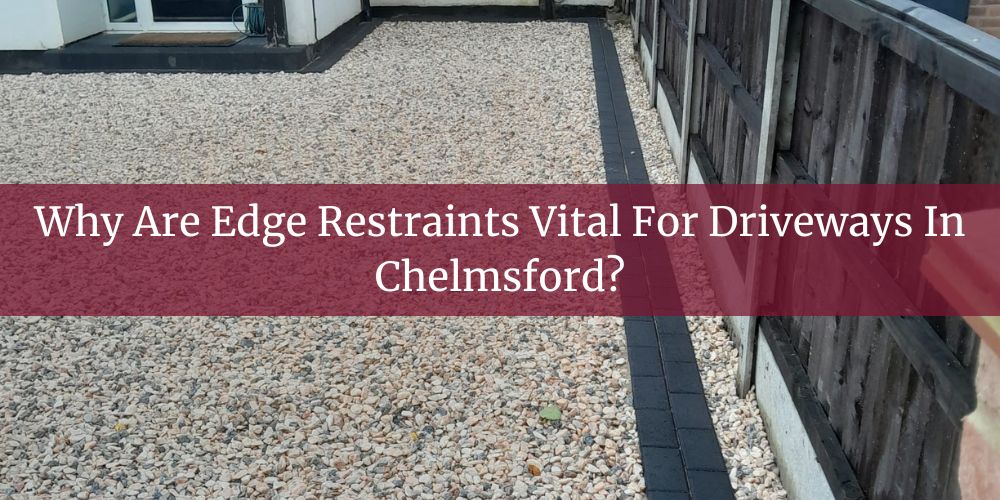
In Chelmsford, Essex, edge restraints play a vital role in preventing the lateral movement of materials in construction projects, which is crucial for maintaining structural integrity and ensuring safety standards are met. In the context of the unpredictable British weather and varied terrain in Essex, having robust edge restraints helps maintain the positioning of materials such as pavers, soil, and edging elements on both commercial and residential sites. Without adequate restraints, materials can shift and cause uneven surfaces or structural instability, which can lead to significant repair costs and potential safety hazards. For commercial property owners and facility managers in Chelmsford, understanding the importance of edge restraints can significantly influence construction quality and longevity. In this blog, we’ll delve into the specifics of how edge restraints function, the types available, and the best practices for their installation to ensure optimal performance on construction sites in Chelmsford, Essex.
What Are Edge Restraints and Why Are They Important for Driveways and Patios?
Edge restraints are structures that hold pavers in place, ensuring stability and preventing movement. They are crucial for maintaining the integrity and appearance of driveways and patios over time. Proper edge restraints provide long-term durability, preventing damage from environmental factors and usage. To understand their importance, let's explore the roles edge restraints play in driveway and patio construction:
- Prevents Paver Shifting: Holds pavers firmly in place to maintain pattern and structure.
- Enhances Structural Integrity: Provides essential support and stability, mitigating displacement risks.
- Prevents Weed Growth: Stops soil from encroaching, reducing weed infestation between pavers.
- Minimises Erosion: Deters water-induced soil movement and erosion around the paver installation.
- Improves Aesthetic Appeal: Maintains clean lines and the visual quality of the surface texture.
1. Prevents Paver Shifting: Holds pavers firmly in place to maintain pattern and structure.
Edge restraints ensure that the pavers remain in their intended design and prevent unwanted movement. They are essential in maintaining the aesthetics and patterns laid out during installation. Without proper edge restraints, pavers can shift over time, leading to uneven surfaces and potential tripping hazards. The shifting of pavers can disrupt the functionality and visual symmetry of the installation. By keeping the pavers in place, edge restraints help driveways and patios look and function as intended for longer periods, even under frequent use and environmental changes.
2. Enhances Structural Integrity: Provides essential support and stability, mitigating displacement risks.
Edge restraints contribute significantly to the structural integrity of driveways and patios by providing the needed lateral support. This support helps prevent the entire structure from becoming unstable due to external forces. The risk of paver displacement or breakage is reduced because of the additional strength these restraints offer. This stability is crucial, especially in high-traffic areas or regions susceptible to extreme weather changes. Without reliable edge restraints, the risk of structural damage rises considerably, potentially leading to costly repairs and maintenance.
3. Prevents Weed Growth: Stops soil from encroaching, reducing weed infestation between pavers.
By forming a barrier at the edges, these restraints prevent soil from creeping into the space between pavers. This barrier is effective in inhibiting weed growth which can otherwise cause unsightly appearances and maintenance issues. Weeds not only affect the aesthetics but can push pavers further apart, exacerbating displacement issues. Proper installation of edge restraints ensures a cleaner and more manageable surface, reducing the time and effort needed for maintenance. This helps keep the driveway or patio looking pristine and functioning well over time.
4. Minimises Erosion: Deters water-induced soil movement and erosion around the paver installation.
Edge restraints help mitigate soil erosion by holding the substrate in place and stabilising the pavers. Erosion can undermine the base material, leading to sinking and shifting of the pavers over time. This can be especially problematic in areas prone to heavy rains or water flow. By effectively channeling and managing water flow, edge restraints reduce the chances of soil displacement and structural compromise. This protection against erosion ensures that driveways and patios retain their durability and level surface.
5. Improves Aesthetic Appeal: Maintains clean lines and the visual quality of the surface texture.
The presence of edge restraints keeps the edges neat and prevents pavers from spreading out. This containment ensures that the visual design remains intact, preserving the neat, finished appearance of the installation. Having a clean boundary also enhances the visual transition between the paved area and surrounding landscapes. Edge restraints make it easier to maintain a professional look, contributing to an overall aesthetically pleasing environment. This attention to detail can have a positive impact on the curb appeal and resale value of a property.
Have a question about an upcoming project?
How Do Edge Restraints Prevent Lateral Movement of Materials?
Edge restraints confine paved surfaces, preventing displacement by providing structural support against lateral forces. They are crucial for the stability and durability of patios and driveways by ensuring the smooth alignment of materials. Properly installed edge restraints maintain the integrity and aesthetics of the paved surface over time. Below is a detailed look at how edge restraints perform their function:
- Structural Support: Provide a firm boundary to restrict material movement.
- Material Containment: Keep paving materials securely in place and aligned.
- Load Distribution: Help distribute external loads evenly across the surface.
- Prevention of Edge Deterioration: Protect edges from wear and erosion.
- Enhanced Visual Aesthetics: Ensure clean lines and tidy appearances of paved areas.
1. Structural Support: Provide a firm boundary to restrict material movement.
Edge restraints offer structural support by serving as a boundary that physically limits the lateral movement of block paving materials. They act as a structural framework that holds the edge of the paving together, preventing shifting under loads such as foot traffic or vehicles. This is critical in maintaining a stable and even surface without gaps or unevenness. Without adequate structural support, paving materials can shift out of place, leading to a compromised surface that can result in damage and costly repairs over time.
2. Material Containment: Keep paving materials securely in place and aligned.
Material containment refers to the role edge restraints play in keeping the paved materials locked tightly together. By preventing movement between individual paving pieces, edge restraints ensure the pavement remains consistent and aligned, avoiding irregular surfaces. This prevents potential trip hazards and maintains the aesthetic of the driveway or patio. Without containment, vibrations and forces from traffic can easily displace paving materials, compromising both the functionality and beauty of the paved area.
3. Load Distribution: Help distribute external loads evenly across the surface.
Edge restraints assist in load distribution by channeling applied external pressures evenly through the pavement structure. Even load distribution prevents isolated stress on any single area, reducing the risk of deformation and cracking. This ensures that the driveway or patio retains its shape and remains functional under varying weights. Effective load distribution prolongs the life of the pavement by avoiding excessive stress and subsequent material failure.
4. Prevention of Edge Deterioration: Protect edges from wear and erosion.
Edge restraints guard the edges of paved surfaces against deterioration caused by natural and man-made forces. They act as a barrier to erosion from water runoff, foot traffic, and vehicular forces that would otherwise wear down the edges. By protecting the edges, restraints help maintain the integrity of the entire paved surface. This prevention of edge deterioration helps avoid frequent repairs and enhances the lifespan of the installation.
5. Enhanced Visual Aesthetics: Ensure clean lines and tidy appearances of paved areas.
Visual aesthetics relate to how edge restraints contribute to the visual appeal of paved surfaces by maintaining well-defined lines. Edge restraints help achieve a pristine and polished look by ensuring that all paving materials are aligned and stable. They prevent misalignment and shifting, which can detract from the neat appearance of a driveway or patio. Good aesthetics are important not just for visual satisfaction but can also add value to a property by enhancing curb appeal.
What Are the Best Practices for Installing Edge Restraints?
The best practices for installing edge restraints ensure stability, longevity, and aesthetic appeal of driveways and patios by preventing the pavers from shifting and settling over time. Using proper materials and installation techniques helps maintain the integrity of the structure and prevents the need for costly repairs. Here are the key practices to follow when installing edge restraints:
- Material Selection: Choose durable and appropriate materials for effective edge restraint installation.
- Proper Installation: Ensure edge restraints are securely anchored into the base foundation.
- Consideration of Environmental Conditions: Choose materials and methods that withstand local climate changes.
- Regular Maintenance: Inspect and adjust edge restraints periodically to maintain their effectiveness.
- Professional Guidance: Consult or hire professionals for planning and executing precision installation.
1. Material Selection: Choose durable and appropriate materials for effective edge restraint installation.
Selecting the right materials is crucial for the performance of edge restraints. The materials you choose need to be robust enough to handle weather fluctuations and pressures from adjacent pavers or loads. Opting for durable materials like concrete or aluminum ensures the long-term effectiveness and stability of the edge restraints, consequently extending the life span of your paved surfaces. Furthermore, these materials should also blend well with the aesthetic design of your driveway or patio, maintaining both functionality and appearance. It's essential to compare different materials considering local environmental conditions and load-bearing requirements.
2. Proper Installation: Ensure edge restraints are securely anchored into the base foundation.
A proper installation technique involves securely anchoring edge restraints into the base and sub-base layers. This practice helps prevent shifting and settling of the pavers due to daily traffic and environmental influences. By correctly anchoring the restraints, you fortify the structural integrity of the pavement, thus preventing common issues like edge deterioration or paver displacement. Proper installation often involves reinforcing the edges with spikes or anchoring systems, ensuring that they can withstand lateral forces. This proactive step saves maintenance costs and keeps the paved surface intact for longer.
3. Consideration of Environmental Conditions: Choose materials and methods that withstand local climate changes.
Accounting for local environmental conditions is vital to ensure the longevity of edge restraints. Different climates can affect the materials differently; hence, selecting climate-resilient materials is important. For example, areas with frequent freeze-thaw cycles necessitate using frost-resistant materials to prevent cracking and displacement. Besides material choice, using installation techniques tailored to these environmental conditions helps in minimising potential damage and expensive repairs. Ultimately, understanding the local climate assists in making informed decisions about materials and installation methods for edge restraints and enhances their durability.
4. Regular Maintenance: Inspect and adjust edge restraints periodically to maintain their effectiveness.
Regular inspections and maintenance are essential to sustain the functionality of edge restraints. Frequent inspection helps detect any early signs of displacement or damage, enabling timely interventions. Addressing minor issues promptly can prevent more significant problems, ensuring the paved surface remains in optimal condition. Moreover, adjusting and realigning the edge restraints, as necessary, allows them to continue performing their function without interruption. Incorporating periodic maintenance into your routine can significantly enhance the lifespan and appearance of paved structures and avoid premature replacements.
5. Professional Guidance: Consult or hire professionals for planning and executing precision installation.
Enlisting professional assistance can provide valuable expertise and precision during installation. Professionals bring experience and a detailed understanding of optimal installation practices, contributing to the successful implementation of edge restraints. Their knowledge helps avoid common pitfalls and ensures adherence to industry standards, which is vital for the durability and efficiency of the installation. Besides competent planning and execution, professionals can offer insights into material choices and local zoning or building code requirements. Thus, seeking professional guidance can lead to a more efficient, accurate, and aesthetically pleasing outcome for driveways and patios.
Using edge restraints is an essential strategy for preventing the lateral movement of materials, particularly in projects such as driveways and patios. For residents of Chelmsford, Essex, implementing these techniques can significantly enhance the durability and aesthetic appeal of outdoor spaces. By securing materials effectively, you not only ensure the longevity of your driveway or patio but also add value to your property with a well-maintained and visually pleasing environment. Whether you're embarking on a new installation or looking to upgrade an existing structure, understanding the role of edge restraints can make a substantial difference in the performance and appearance of your landscape.
If you are considering enhancements or need professional guidance on edge restraints for your driveway or patio, please feel free to reach out to us through our contact form. The knowledgeable team at Driveways Chelmsford is eager to help you achieve the best results for your outdoor projects in Chelmsford, Essex.