
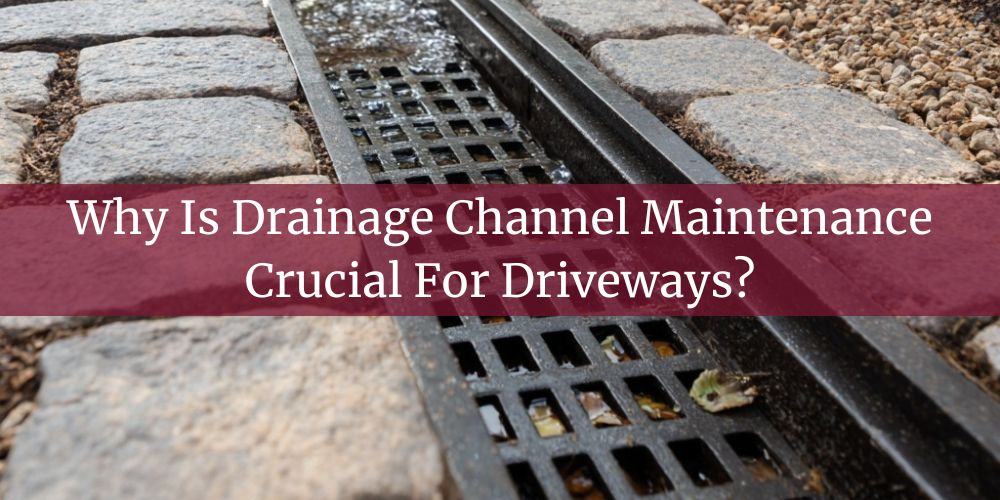
In Chelmsford, Essex, maintaining clear drainage channels is crucial to prevent surface pooling, which can lead to flooding issues around commercial buildings. Properly-functioning drainage channels ensure that rainwater is effectively directed away from structures, avoiding damage to foundations and landscaping. Regular inspections and maintenance are necessary, especially during wet months, to remove debris and blockages that might impede water flow. Neglecting drainage systems can result in significant problems for commercial properties, such as water pooling that can damage pavements, create slippery surfaces, and even infiltrate buildings. Additionally, persistent drainage issues can undermine the soil, potentially affecting the structural integrity of nearby constructions. Employing proactive maintenance practices will mitigate these risks, keeping the commercial premises safe and operational.
For homeowners in Chelmsford, keeping driveway and patio drainage channels clear is essential to prevent puddling, damp and frost damage. This guide explains how domestic systems such as channel drains, threshold drains, soakaways and permeable joints work, and the common issues to watch for on local clay soils, including silt, leaf build-up, weed growth and minor settlement. You will find simple maintenance checklists for seasonal clearing, safe jet washing, re-sanding joints and clearing outlets, plus advice on when to call a professional. The aim is to protect your home, reduce slip hazards and keep surfaces SUDS friendly all year.
Why Are Clear Drainage Channels Essential for Preventing Surface Pooling?
Clear drainage channels are crucial for directing water away from driveways and patios, preventing water accumulation that can lead to damage and safety hazards. When water pools on the surface, it can lead to erosion, structural issues, and create slippery conditions that can result in accidents. Ensuring proper drainage not only preserves the integrity of the surface but also enhances its functionality and longevity. Here are the key reasons why clear drainage channels are essential:
- Efficient Water Flow: Effectively redirects rainwater away from paved surfaces.
- Prevention of Erosion: Minimises erosion of base material beneath driveways and patios.
- Structural Integrity: Helps maintain the structural integrity of paved areas.
- Safety Enhancement: Reduces the risk of slips and falls on wet surfaces.
- Longevity Extension: Prolongs the lifespan of driveways and patios by preventing water damage.
1. Efficient Water Flow: Effectively redirects rainwater away from paved surfaces.
Efficient water flow means the ability to channel rainwater swiftly and safely away from driveways and patios. Clear drainage channels ensure that water from rain or melting snow is quickly diverted, preventing pooling that can damage surfaces. Without effective drainage, water accumulates, leading to deterioration and potential costly repairs. A well-designed system manages large volumes of water during heavy rainfall, protecting both the aesthetic and structural qualities of paved areas.
2. Prevention of Erosion: Minimises erosion of base material beneath driveways and patios.
Prevention of erosion refers to stopping the gradual wearing away of the soil and materials supporting paved areas. Clear drainage channels help in channeling water away before it can start eroding the soil or gravel which supports driveways and patios. Erosion can undermine paved surfaces, causing unevenness and cracking. By maintaining effective drainage, the foundation of the surfaces remains intact, providing a stable, long-lasting base that prevents unevenness and collapse.
3. Structural Integrity: Helps maintain the structural integrity of paved areas.
Structural integrity ensures driveways and patios remain strong and functional without cracks or deformation. Water pooling weakens the structural components of driveways and patios, leading to warping or sinking. With clear drainage, surfaces remain level and durable, preserving their strength. The primary goal of drainage channels is to keep water out of critical structural areas to prevent long-term damage.
4. Safety Enhancement: Reduces the risk of slips and falls on wet surfaces.
Safety enhancement refers to reducing hazards for pedestrians and vehicles using driveways and patios. Pooled water creates slippery conditions that can lead to slips and falls, posing safety risks. Adequate drainage prevents the accumulation of water, thus ensuring a safer environment. By reducing surface water, the potential for accidents decreases, protecting both property owners and visitors.
5. Longevity Extension: Prolongs the lifespan of driveways and patios by preventing water damage.
Longevity extension means increasing the usable life of driveways and patios through proper maintenance practices like drainage. Surface pooling accelerates wear and tear, leading to cracks and other forms of damage on paved surfaces. Clear drainage channels reduce these effects, extending their usability and appearance. This leads to cost savings over time, as reduced repair needs ensure that maintenance and replacement frequency is kept to a minimum.
Have a question about an upcoming project?
What Are the Common Causes of Blocked Drainage Channels on Driveways and Patios?
Blocked drainage channels on driveways and patios are usually caused by the accumulation of debris, improper installation, root intrusion, or inadequate maintenance. This can lead to water pooling, damaging the surfaces, and creating safety hazards. Understanding these causes can help homeowners take preventative measures and maintain a functional drainage system. To effectively address blocked drainage channels on driveways and patios, consider these common causes:
- Debris Accumulation: Leaves, soil, and other materials clogging the channels.
- Improper Installation: Poorly designed or installed drainage systems can easily fail.
- Root Intrusion: Tree roots growing into and obstructing the drainage paths.
- Inadequate Maintenance: Lack of regular cleaning and inspection of drainage systems.
- Surface Damage: Cracks or damage that disrupts water flow into channels.
1. Debris Accumulation: Leaves, soil, and other materials clogging the channels.
Debris accumulation refers to the buildup of organic and inorganic materials that block drainage pathways. Leaves, dirt, and small stones can accumulate over time, impeding water flow. Regularly clearing the channels can prevent clogs and ensure efficient drainage. Blocked drainage due to debris not only causes water pooling but also contributes to erosion and potential flooding on driveways and patios. Maintaining cleanliness of the surface can protect against these problems and prolong the lifespan of the drainage system. Homeowners should consider installing drainage grates or guards to minimise debris entry, allowing for easier maintenance and preventing significant clogs.
2. Improper Installation: Poorly designed or installed drainage systems can easily fail.
Improper installation involves inadequate planning or construction of drainage systems that do not function as intended. Incorrect slopes, insufficient drainage capacity, or improper materials can lead to blockages. Ensuring professional installation can prevent these issues, promoting effective drainage. Poorly installed drainage systems can lead to unequal water distribution and increased water retention on surfaces, exacerbating blockages over time. Rectifying these errors requires significant adjustments that can be costly and time-consuming. Choosing skilled professionals and quality materials during the initial installation phase can help avoid these pitfalls and maintain efficient water management solutions.
3. Root Intrusion: Tree roots growing into and obstructing the drainage paths.
Root intrusion occurs when tree roots invade drainage channels, seeking moisture and nutrients. Over time, these roots can cause significant blockages and physical damage to the system. Regular inspections can identify early signs of intrusion, allowing for timely intervention. Roots can exert pressure on drainage components, leading to structural damage and obstructed flow. Identifying susceptible areas near trees can guide strategic placement of root barriers or adjustments to landscaping choices. Preventative measures include using root-resistant materials and selecting tree species with less aggressive root systems for landscaping near driveways and patios.
4. Inadequate Maintenance: Lack of regular cleaning and inspection of drainage systems.
Inadequate maintenance refers to neglecting the cleaning and inspection needed to keep drainage systems functional. Without regular upkeep, minor issues can escalate into costly repairs. Establishing a routine maintenance schedule helps mitigate these risks. Neglecting maintenance responsibilities can lead to gradual deterioration in drainage efficiency, resulting in persistent water pooling and potential surface damage. Performing regular checks and cleaning can identify problems before they worsen. Systems should be inspected at least biannually or after significant weather events to ensure all components function correctly and remain clear of obstructions.
5. Surface Damage: Cracks or damage that disrupts water flow into channels.
Surface damage refers to cracks or structural imperfections that hinder proper water direction into drainage systems. These disruptions can prevent water from reaching designated drainage paths, causing it to stagnate. Addressing surface issues promptly ensures effective drainage. Cracks or other surface faults can often be the result of environmental factors or heavy use, exacerbating blockage issues by misdirecting water flow. Timely repairs preserve the structural integrity of driveways and patios while optimising drainage performance. Regularly inspecting surfaces for damage and performing necessary repairs can work hand in hand with drainage upkeep to ensure effective water management around driveways and patios.
How Can You Maintain Your Drainage Channels to Ensure Optimal Functionality?
Regular maintenance including cleaning, inspection, and repairs ensures your drainage channels function efficiently. By performing these tasks consistently, you prevent clogs and ensure water is directed away from your patio and driveway. Neglecting drainage channels can lead to water damage and structural concerns. Here is a list of essential steps to maintain your drainage channels effectively:
- Regular Cleaning: Clear debris from channels to prevent blockages.
- Inspect for Damage: Check for cracks or wear to address promptly.
- Ensure Proper Grading: Maintain correct slope for efficient water flow.
- Functional Grates: Verify all grates are intact and secure.
- Check for Clogs: Ensure no obstructions in pipes for unimpeded water drainage.
1. Regular Cleaning: Clear debris from channels to prevent blockages.
Regular cleaning involves removing leaves, dirt, and other debris from your drainage channels. Removing debris keeps water flowing smoothly, reducing the risk of overflow during heavy rain. This simple step can also extend the lifespan of your drainage system. Consistent cleaning will prevent clogs that could lead to water pooling and causing damage to your pavement or surrounding structures.
2. Inspect for Damage: Check for cracks or wear to address promptly.
Inspecting for damage involves routinely checking for any visible wear or defects. If drainage channels are damaged or worn, they may fail to divert water correctly, leading to puddling. Regular inspections help detect damage early, allowing for quick repairs. Addressing damage sooner rather than later prevents small issues from becoming larger, costlier problems requiring extensive repair or replacement.
3. Ensure Proper Grading: Maintain correct slope for efficient water flow.
Ensuring proper grading involves verifying that the ground directs water toward drainage points. Water cannot flow efficiently along a channel if the grading is incorrect, which can lead to undesirable water accumulation. Regular checks and adjustments ensure optimal drainage efficiency. Maintaining the correct slope prevents water from flooding your driveway or patio, ensuring it moves away from structural areas effectively.
4. Functional Grates: Verify all grates are intact and secure.
Functional grates are covers over drainage channels to prevent debris entry while allowing water through. Grates play a crucial role in keeping larger debris out of the channels, which could cause blockages. Ensuring they are intact and positioned correctly is essential for proper drainage function. Damaged or misplaced grates could fail to prevent clogs, leading to water overflow and possible property damage during heavy rains.
5. Check for Clogs: Ensure no obstructions in pipes for unimpeded water drainage.
Checking for clogs involves ensuring drainage pipes and outlets are clear of any blockages. Pipes are integral to water movement; clogs can severely impact drainage efficiency. Identifying and clearing clogs keeps water flowing smoothly through the system. By regularly examining pipes for potential obstructions, you can maintain a seamless drainage operation, minimising the risk of water-related issues on your property.
Ensuring that drainage channels are kept clear is vital for preventing surface pooling, particularly when it comes to maintaining the integrity of Driveways and Patios in Chelmsford, Essex. Blocked drainage channels can lead to standing water, which not only reduces the longevity of these surfaces but also poses potential safety hazards. Regular maintenance avoids costly repairs and enhances the aesthetic appeal of your property. By prioritising proper drainage management, homeowners in Chelmsford can protect their driveways and patios, ensuring they remain durable and beautiful for years to come.
If you need assistance with maintaining clear drainage channels or have questions regarding the care of your Driveways and Patios in Chelmsford, Essex, please use our contact form to get in touch. Our team at Driveways Chelmsford is eager to provide expert advice and solutions tailored to your needs.